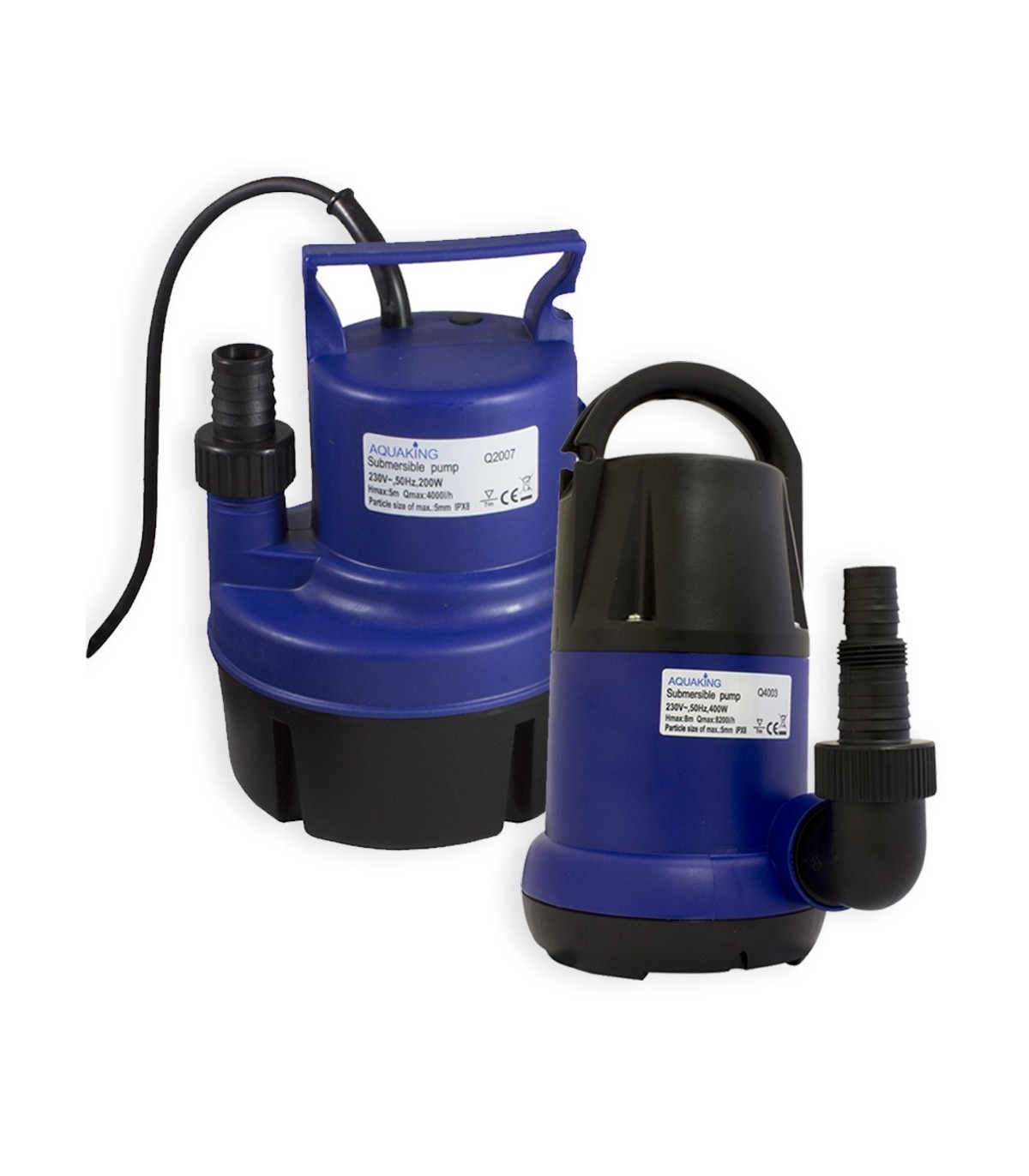
How Does an Irrigation Pump Work?
Explanation of Basic Operating Principles: Suction and Discharge
The basic principle of how an irrigation pump works is based on two fundamental processes: suction and discharge.
- Suction: When the pump is running, the motor generates a vacuum that draws water from the source (well, tank, etc.) into the pump.
- Discharge: Once inside the pump, the impeller forces the water to move at high pressure towards the outlets, which are connected to the irrigation system.
How Pressure and Flow Are Generated
The pressure and flow generated by the pump depend on several factors, such as the motor's power, the impeller design, and the characteristics of the water (whether it is clean or contains impurities). Centrifugal pumps, for example, increase the speed of water through the impeller's rotation, which generates higher pressure and flow.
Adaptation to Different Water Sources
Irrigation pumps can be adapted to a variety of water sources, such as:
- Wells: Submersible irrigation pumps are ideal for drawing water from deep wells.
- Rivers or Lakes: Surface pumps are useful for drawing water from shallow surface sources.
- Water Tanks: Surface pumps also work well in systems that require a constant flow from a tank or reservoir.
Factors Affecting Performance
The performance of an irrigation pump is influenced by several factors:
- Elevation: The higher the elevation, the more difficult it will be to generate pressure, which may reduce flow.
- Distance: If water needs to travel long distances through pipes, the pump will require more power to maintain flow and pressure.
Advantages of Using an Irrigation Pump
Irrigation pumps offer numerous benefits:
- Energy Efficiency: They allow for efficient water distribution, optimizing resource use.
- Time Saving: Using a pump automates irrigation, reducing the time spent on the process.
- Improved Plant Health: Controlled and adequate watering enhances plant development and growth.
- Adaptability: You can choose pumps tailored to different water sources, irrigation systems, and crop types.
Conclusion
In summary, an irrigation pump is an essential tool to ensure efficient and proper watering. Understanding the components, operation, and benefits of irrigation pumps will help you choose the most suitable one based on your needs and the characteristics of your crops or garden. If you're looking for the best irrigation pump for your projects, visit growshoplowcost.online to find a wide variety of models that will help you keep your plants healthy and well-watered. Don't hesitate to choose the perfect irrigation pump for you and optimize the care of your crops!